How Waterproofing Functions: An In-depth Check Out Methods and Technologies
Waterproofing is crucial for securing structures from moisture-related damages. It involves numerous strategies and innovations that create barriers against water invasion. Standard approaches, such as compressed clay, exist together with modern advancements like liquid-applied membranes. Recognizing the nuances of these strategies is vital for effective application. Nonetheless, the efficiency of any kind of waterproofing remedy pivots not just on the techniques utilized but also on continuous upkeep and inspection. What are the crucial aspects that influence long-term performance?
Comprehending the Essentials of Waterproofing
Waterproofing is a necessary procedure that secures structures from water intrusion, which can cause considerable damage with time. This technique entails the application of different products and techniques made to develop a barrier against wetness. The primary goal is to stop water from permeating surface areas, which can trigger deterioration, mold and mildew growth, and architectural instability.Various aspects influence the option of waterproofing method, consisting of the type of framework, its location, and ecological conditions. Comprehending the physics of water movement and the residential or commercial properties of various materials is critical in selecting a reliable waterproofing solution.Effective waterproofing not only safeguards structures but likewise improves their longevity and honesty. Typically, it is incorporated right into the layout stage of construction to guarantee thorough protection. As recognition of water-related issues grows, the relevance of understanding waterproofing basics comes to be increasingly clear to designers, building contractors, and building proprietors alike.
Traditional Waterproofing Approaches
Typical waterproofing techniques have been utilized for centuries, counting on reliable methods and products to protect structures from water damages. Among the earliest approaches entails making use of clay, which, when compressed, develops an all-natural obstacle against dampness. Additionally, bitumen, a sticky, black material obtained from petroleum, has actually been employed for its waterproof residential properties, frequently applied to roofs and foundations.Another method entails the application of lime-based plasters, which offer a breathable layer that enables dampness to get away while preventing water ingress. Thatch roof covering, a typical approach still seen in some cultures, provides excellent waterproofing as a result of its snugly packed straw layers.Moreover, the use of rock and block has been famous, as these materials are naturally immune to water when appropriately installed. Overall, conventional waterproofing approaches highlight the significance of picking proper materials and construction methods to boost longevity versus water intrusion.
Modern Waterproofing Technologies
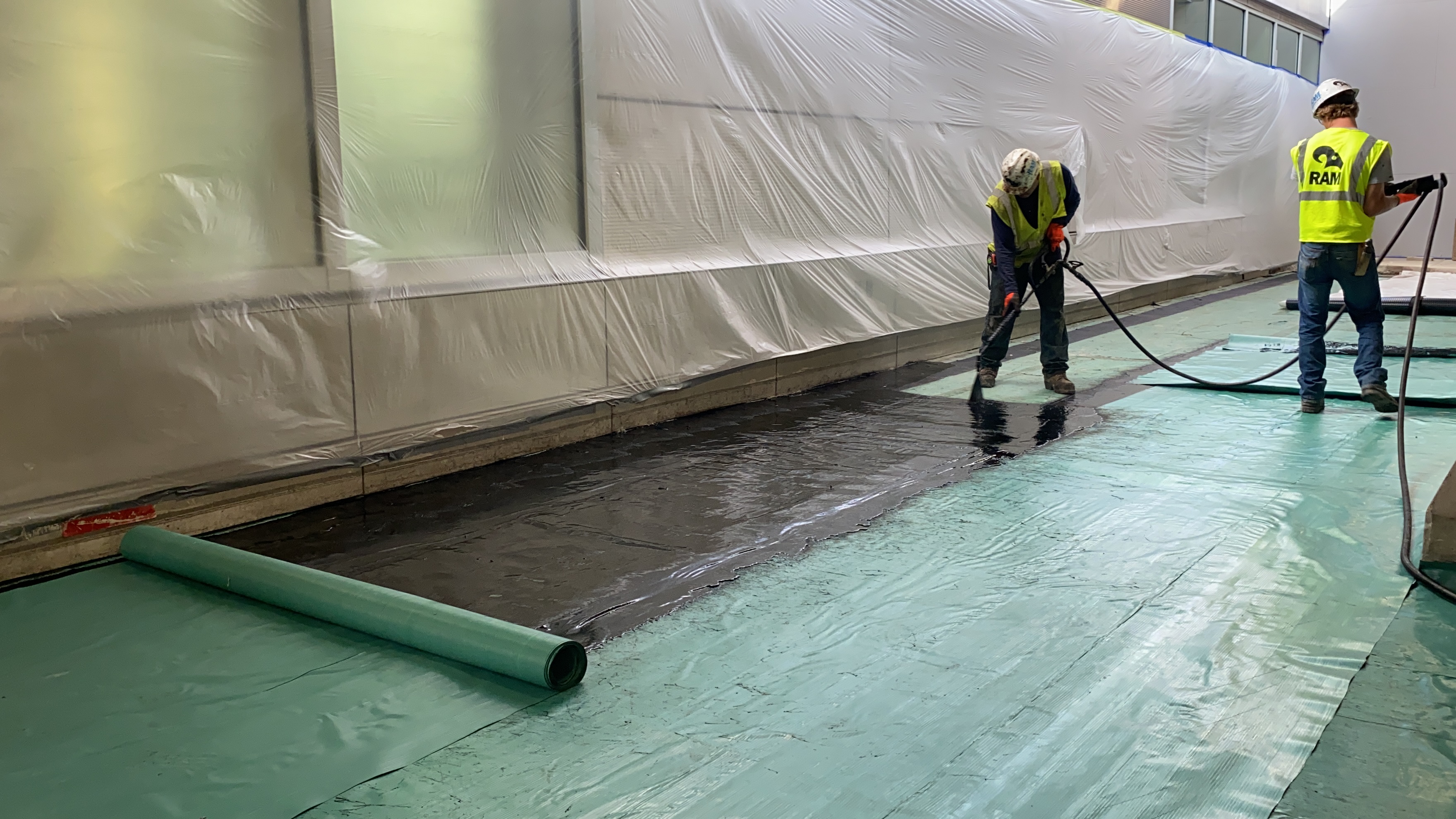
Improvements in modern waterproofing modern technologies have transformed the means structures are secured from water damage. Innovative techniques such as liquid-applied membranes and advanced sealers have actually improved the effectiveness and convenience of waterproofing services. These technologies enable seamless application, lowering the risk of leakages and ensuring complete insurance coverage over intricate surfaces.Moreover, the integration of clever technologies, such as wetness sensing units and automated monitoring systems, makes it possible for real-time analysis of waterproofing performance. This positive approach assists in timely maintenance and reduces long-term repair work costs.Additionally, innovations in spray-applied coverings offer quick application and superb adhesion, adapting to various substrates while supplying robust protection. Methods like polymer-modified systems better enhance versatility and toughness, making them suitable for diverse environments. Generally, modern-day waterproofing modern technologies not just mitigate water intrusion but additionally add to the long life and sustainability of frameworks, noting a substantial shift in the industry.
Materials Utilized in Waterproofing
The efficiency of waterproofing remedies greatly counts on the products used in their application. Different products are used to develop obstacles against water ingress, each with unique residential or commercial properties fit for various environments. Commonly utilized materials include membrane layers, finishes, and sealants.Liquid-applied membrane layers, commonly made from polyurethane or acrylic, form a seamless barrier that best concrete waterproofing sealer adapts to complicated surfaces. Sheet membrane layers, commonly created from rubber or polycarbonate, offer toughness and are suitable for larger locations. In addition, cementitious waterproofing products, composed of cementitious substances, supply outstanding adhesion and flexibility.Sealants made from silicone or polyurethane are important for joints and joints, making certain complete protection. Moreover, innovative materials, such as geo-composite membrane layers, integrate several features, improving performance. Generally, the selection of waterproofing materials is essential in achieving resilient and reliable water resistance, customized to particular project demands and environmental conditions.
Usual Applications of Waterproofing
Waterproofing plays a necessary role in different sectors, making sure the longevity and integrity of frameworks. Usual applications include household services that secure homes, commercial facilities that safeguards businesses, and commercial setups that require durable security versus moisture. Comprehending these applications highlights the relevance of waterproofing in maintaining both safety and security and functionality across various settings.
Residential Waterproofing Solutions
Many house owners encounter difficulties with dampness intrusion, making effective property waterproofing services crucial. Numerous approaches exist to resolve this problem, consisting of exterior and interior waterproofing systems. Interior solutions frequently entail the application of sealants and coverings to basement walls, which aid protect against water infiltration. Outside approaches normally consist of the installment of water drainage systems and water-proof membrane layers that draw away water away from the foundation.Additionally, house owners might think about sump pumps to eliminate water build-up and dehumidifiers to manage humidity levels. Proper grading and using rain gutters likewise play an important duty in managing water circulation around the home. By executing these techniques, homeowners can substantially lower the threat of water damage and mold development, making certain a completely dry and risk-free living environment.

Commercial Infrastructure Defense
Efficient waterproofing remedies play an essential role in the security of business framework. Water Solutions Omaha. These techniques are important for guarding structures, auto parking frameworks, and bridges from water damage, which can jeopardize architectural stability and cause pricey repairs. Usual applications consist of the setup of membranes, finishings, and sealants that produce barriers against dampness seepage. Locations such as basements, roofing systems, and exterior walls are often focused on her explanation to assure durability and longevity. In addition, waterproofing systems can improve energy efficiency by preventing water-related concerns that might cause mold growth and damage. By carrying out robust waterproofing measures, homeowner can protect their financial investments and keep functional performance, inevitably contributing to the overall sustainability of industrial centers
Industrial Applications Introduction
While different industries face one-of-a-kind challenges, the need for reliable waterproofing services continues to be a constant in industrial applications. Industries such as production, building and construction, and energy typically run into atmospheres where moisture direct exposure can threaten architectural stability and operational effectiveness. In producing facilities, waterproofing is vital for protecting equipment and materials from water damages. In building and construction, it safeguards structures and cellars versus groundwater seepage. The power sector relies on waterproofing Continue for the protection of equipment in hydroelectric plants and offshore structures. Additionally, food processing industries utilize waterproofing to guarantee hygiene and compliance with safety requirements. Generally, efficient waterproofing options are important for improving durability, safety, and productivity throughout numerous industrial setups.
Maintenance and Longevity of Waterproofing Solutions
Although waterproofing solutions are made to use long-term protection versus wetness breach, routine maintenance is necessary to assure their effectiveness and longevity - Landscape drainage Omaha. Regular assessments play a significant duty in determining potential issues such as fractures, peeling, or signs of water damages. Resolving these problems immediately can prevent further wear and tear and pricey repairs.Additionally, cleaning the surface area of waterproofed locations assists eliminate dirt and debris that could endanger the stability of the waterproofing barrier. It's additionally suggested to reapply safety finishings or sealants as suggested by producers to preserve perfect efficiency. Environmental aspects, such as UV direct exposure and extreme weather condition conditions, can impact the lifespan of waterproofing materials, making routine analysis vital
Frequently Asked Concerns
Can Waterproofing Be Applied in Winter?
The question of applying waterproofing in winter raises concerns about adhesion and curing. Numerous items may not perform at their finest in reduced temperature levels, requiring cautious choice and consideration of certain standards for reliable application.
The Length Of Time Does Waterproofing Commonly Last?
The duration of waterproofing efficiency differs based upon products and ecological aspects. Usually, it can last from 5 to 10 years, but routine maintenance and evaluations are necessary to assure peak efficiency and durability.
Is DIY Waterproofing Effective and Safe?
The efficiency and safety and security of DIY waterproofing depend on various variables, consisting of material quality and application method. While some individuals achieve sufficient outcomes, others might experience issues that compromise long-term protection and architectural stability.
What Are the Indications of Failing Waterproofing?
Signs of falling short waterproofing consist of noticeable water spots, peeling off paint, mold growth, musty odors, and moisture in wall surfaces or ceilings - Yard drainage Omaha. These signs suggest endangered barriers, necessitating punctual evaluation and potential removal to stop additional damage
Exactly how Do I Choose the Right Waterproofing Service Provider?